Leaking Ceiling Repair & Water Damage Restoration
A leaking ceiling is more than a cosmetic problem — it signals hidden water damage that can compromise your home's structure and lead to dangerous mold growth. True Dry responds fast to find the source, stop the damage, and restore your home.
Warning Signs You Shouldn't Ignore
Ceiling leaks rarely announce themselves loudly. By the time you see visible damage, water may have been spreading inside your walls and subfloor for days. Watch for these signs:
- Water stains or discoloration on ceilings or walls
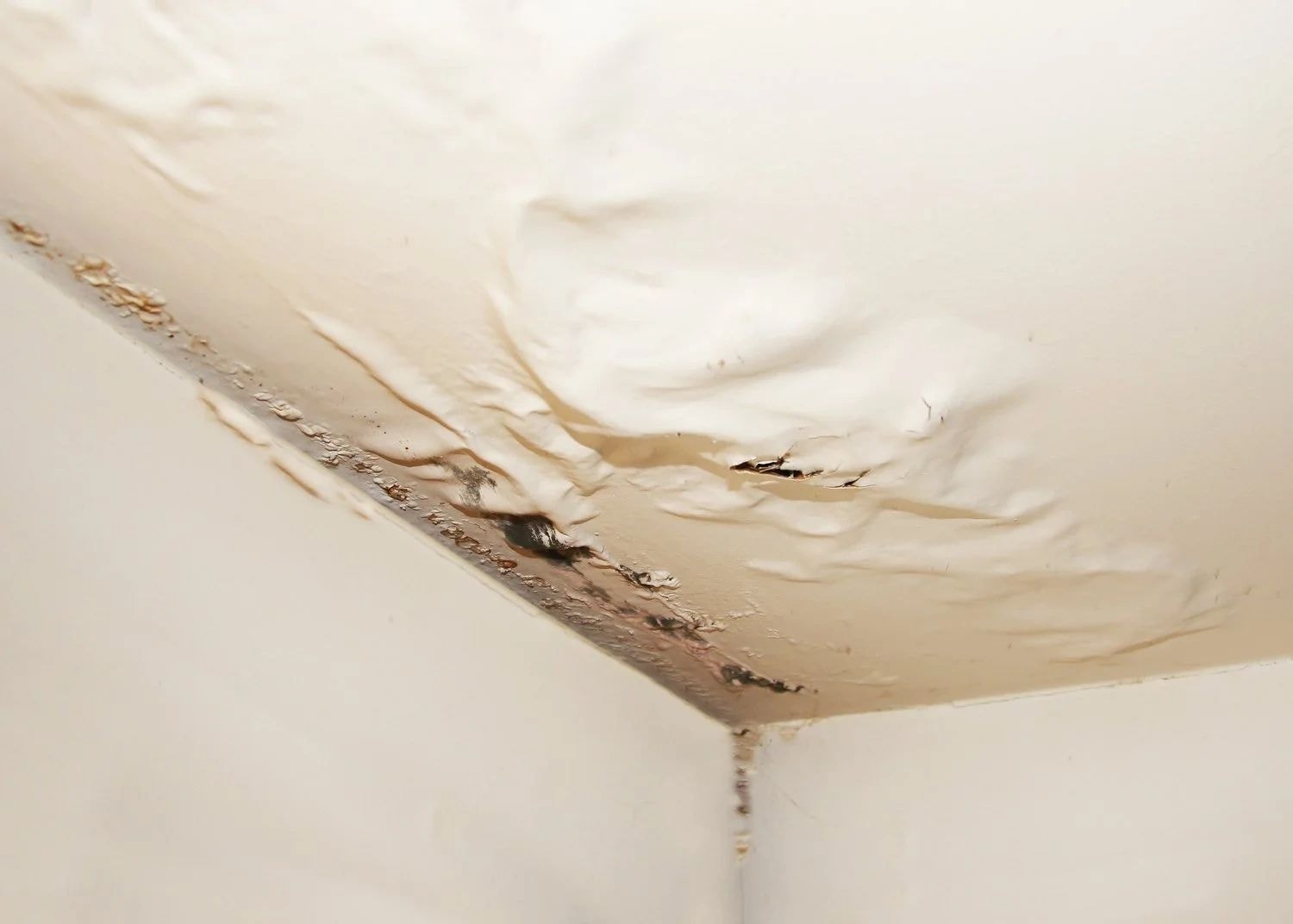
- Bubbling, peeling, or sagging paint or drywall
- Musty or damp odors in a room
- Visible dripping or pooling water
- Soft or spongy spots when pressing on the ceiling
- Mold or dark spots appearing on surfaces
- Unexplained spikes in your water bill
- Sounds of dripping inside walls or ceilings
Why You Need to Act Fast
Mold grows within 24–48 hours
Wet drywall and insulation are ideal environments for mold. Delays dramatically increase remediation costs and health risks.
Structural damage compounds
Water weakens ceiling joists, drywall, and insulation. What starts as a stain can become a collapse risk if left untreated.
Insurance claims require documentation
Acting quickly and documenting damage with a professional helps maximize your insurance payout and avoids claim disputes.
Common Causes of a Leaking Ceiling
Roof Damage
Missing shingles, cracked flashing, or deteriorated roofing materials allow rainwater to penetrate and travel down into your ceiling.
Plumbing Leaks Above
A leaking pipe, supply line, or drain in the floor above can drip silently into ceiling cavities for weeks before becoming visible.
Appliance Overflow
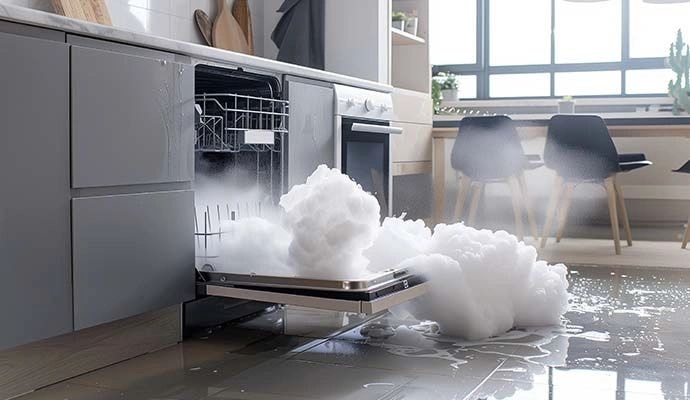
Dishwashers, washing machines, refrigerators, and water heaters on upper floors can overflow or develop slow leaks that saturate the ceiling below.
HVAC Condensation
Clogged AC drain lines or improperly insulated ductwork can cause condensation to accumulate and drip into your ceiling structure.
Bathroom Leaks
Toilet wax ring failures, shower pan leaks, and bathtub overflow are among the most common sources of ceiling water damage in multi-story homes.
Storm & Flood Intrusion
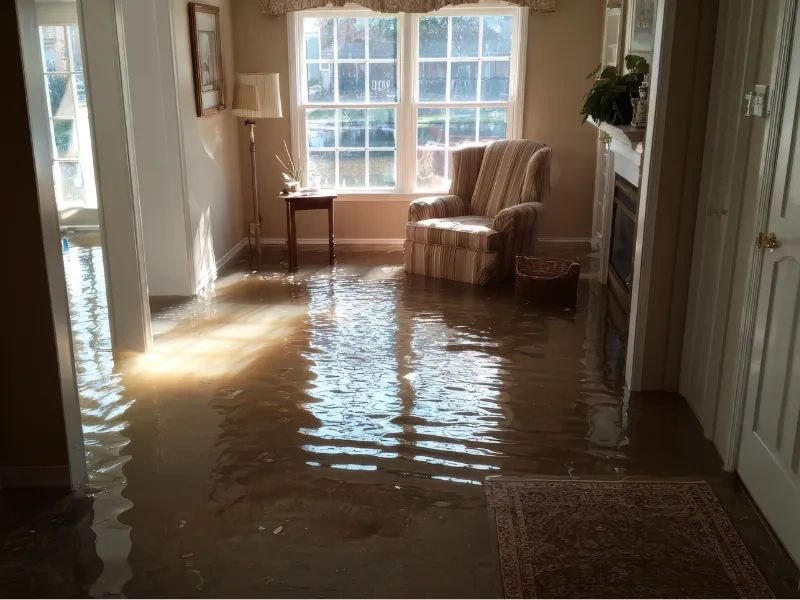
Heavy rain, ice dams, and storm surges can force water through even small gaps in your roof, siding, or foundation.
How True Dry Handles Leaking Ceiling Damage
Source Identification
We use moisture meters and thermal imaging cameras to trace water back to its origin — even when it's hidden inside walls or above ceilings.
Water Extraction
Standing water and saturated materials are extracted using industrial-grade equipment to stop further spread immediately.
Structural Drying
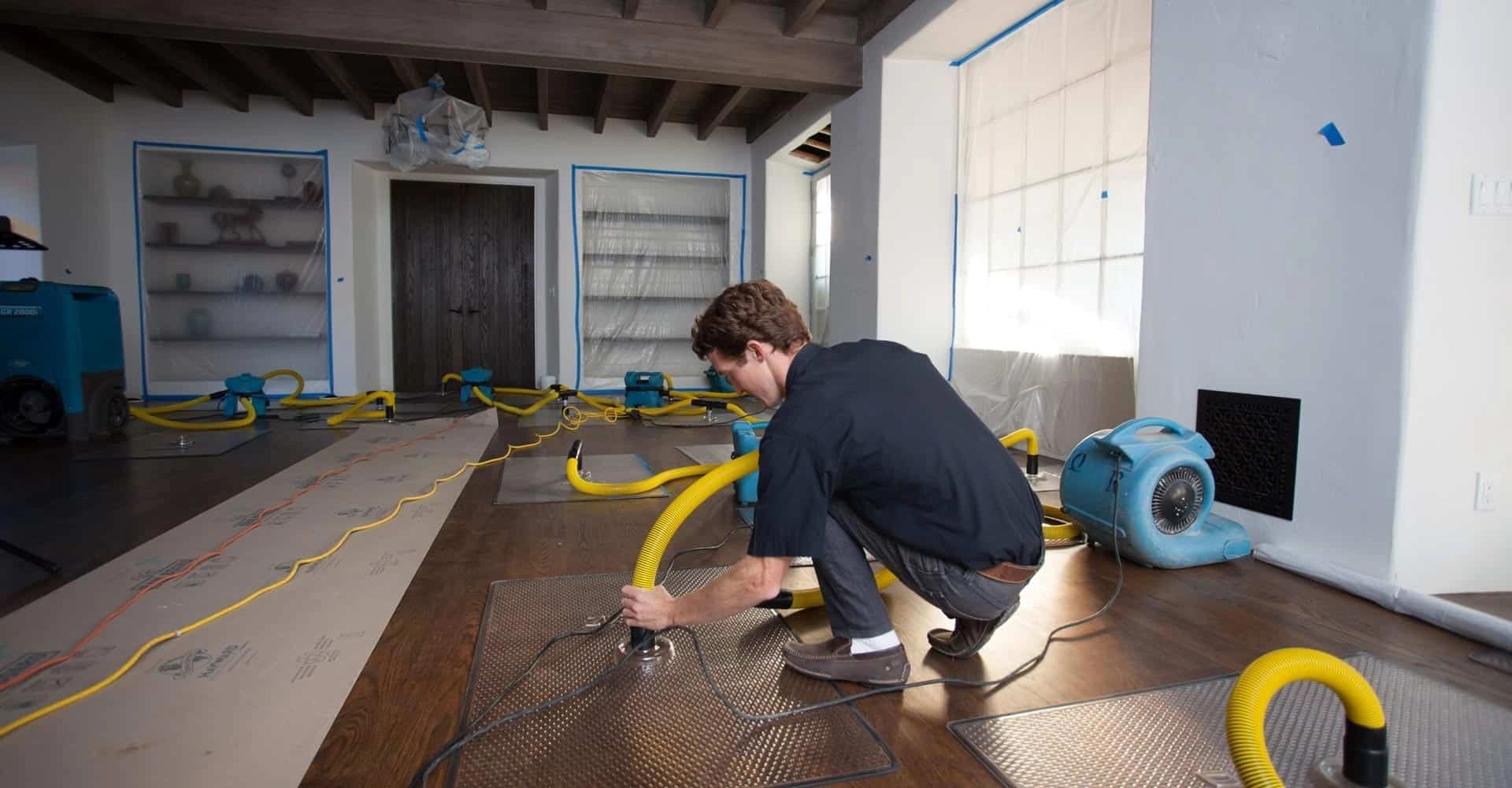
Air movers and commercial dehumidifiers are deployed to dry ceiling cavities, insulation, and framing to safe moisture levels.
Mold Prevention
Antimicrobial treatments are applied to all affected surfaces to prevent mold colonization during and after the drying process.
Damage Documentation
We photograph and document all damage thoroughly to support your insurance claim and ensure you receive full coverage.
Ceiling Restoration
Once dry and clear, we coordinate drywall repair, insulation replacement, painting, and any structural repairs needed to restore your ceiling.
Appliance Leaks Are a Leading Cause of Ceiling Damage
Dishwashers, washing machines, and refrigerators on upper floors are among the most common culprits behind ceiling leaks. A slow drip from a supply line or drain hose can saturate insulation and drywall for weeks before you notice a stain below.
True Dry's technicians are trained to trace appliance-related leaks back to their source, extract all moisture, and dry the affected ceiling cavity completely — preventing the mold growth that often follows.
Call 470-417-2741Spotted a Leak? Don't Wait.
Every hour matters when your ceiling is wet. Our Atlanta team is available around the clock to respond, assess, and start drying before the damage spreads.